JAGUAR BCC9756 Xjs Front Windshield Wiper Motor Mesh Cowl Grille Air Vent
fits make: Jaguar. year: 1992–1996.
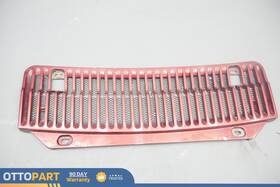
( Manufacturer Part Number: BCC9756 ), ( Items Included: Front Windshield Wiper ), ( Item Length: Mesh Cowl Grille Air Vent ), ( Vintage Part: No ), ( Placement On Vehicle: Front ), ( Type: Wiper Motor ), ( Manufacturer Warranty: 1 Month ), ( Features: Box Sport Package Complete Power Main Assembly, Original Factory Genuine Stock Control Controller, 1992 1993 1994 1995 1996, Mesh Cowl Grille Air Vent ), ( Country Of Origin: United Kingdom ), ( Item Width: Front Windshield Wiper Mesh Cowl Grille Air Vent )
Review JAGUAR Xjs Front Windshield Wiper Motor Mesh Cowl Grille Air Vent Oem fits 1992–1996
The **Jaguar XJS (BCC9756) Front Windshield Wiper Motor Assembly (1992 1996)** is a meticulously engineered component designed to deliver reliable, high-performance operation within the iconic Jaguar XJS s front grille and cowl assembly. This wiper motor is a critical element of the vehicle s windshield wiper system, ensuring clear visibility during inclement weather while maintaining the classic aesthetic of the XJS s front end. Crafted to fit seamlessly into the mesh cowl grille and air vent area, this motor is engineered to withstand the demands of daily driving, offering smooth, consistent operation even under harsh conditions. The wiper motor is built with robust internal components, including a durable brushless DC motor and a precision-engineered drive mechanism, which work in tandem to provide consistent wiping action across the windshield. Its compact yet sturdy design allows it to integrate flawlessly into the XJS s signature front grille, where it sits just behind the mesh cowl grille and air vent, ensuring optimal airflow while maintaining the vehicle s timeless appearance. Whether restoring a classic Jaguar or upgrading an existing system, this wiper motor is a high-quality replacement designed to restore both functionality and authenticity to the XJS s front end. Its compatibility with the 1992 1996 BCC9756 model range ensures a perfect fit, allowing enthusiasts and mechanics alike to maintain the vehicle s performance and heritage with confidence.
### **Pros and Cons of Buying a Jaguar XJS (1992 1996) with the Specifications Mentioned**
#### **Pros**
1. **Classic Jaguar Character and Prestige**
The Jaguar XJS (especially from the 1992 1996 era) is an iconic British sports car known for its timeless design, luxurious interior, and V12 engine options. Owning one carries a sense of prestige and appreciation for automotive heritage.
2. **V12 Power (If Equipped)**
The XJS was available with a 5.3L or 6.0L V12 engine, producing between 250 300 horsepower, depending on the model. This provides a smooth, torque-rich driving experience with a deep, resonant exhaust note that enthusiasts love. The V12 is one of the most desirable Jaguar engines from this era.
3. **Handcrafted Luxury**
Jaguar s attention to detail in the interior leather upholstery, wood trim, and premium materials makes the XJS feel like a true grand tourer. The driving position is ergonomic, and the cabin is spacious for its size.
4. **Timeless Design**
The XJS has a distinctive, elegant silhouette that remains recognizable and desirable. The fastback (XJS) and convertible (XJS Cabriolet) models have their own distinct appeal, with the fastback being more practical and the convertible offering open-air driving.
5. **Potential for Restoration or Modification**
The XJS is a popular project car among enthusiasts. With the right mechanical condition, it can be restored to showroom spec or modified for modern performance (e.g., upgraded suspension, exhaust, or engine tuning). The aftermarket support for Jaguar parts and performance upgrades is strong.
6. **Collectible Status**
The 1992 1996 XJS models are part of Jaguar s pre-facelift era, which is highly sought after by collectors. Certain variants (e.g., Vanden Plas, SE, or limited-edition models) appreciate in value over time, especially if well-maintained.
7. **Driving Dynamics**
The XJS handles well for its size, with a balanced chassis that offers a mix of comfort and sportiness. The V12 models, in particular, provide a luxurious yet engaging driving experience, especially on winding roads.
8. **Convertible Appeal (If Applicable)**
If the vehicle is a Cabriolet, the top-down experience is one of the best aspects of owning a classic Jaguar. The manual or power-operated soft top (depending on the year) adds to the car s charm.
---
#### **Cons**
1. **High Maintenance and Repair Costs**
Jaguar XJS models from the early '90s are known for their mechanical complexity, particularly the V12 engine and transmission. Common issues include:
- **Engine:** Carbon buildup, oil leaks (valve cover gasket, oil filter housing gasket), and timing chain wear (especially in later models). The V12 is thirsty and requires high-quality oil.
- **Transmission:** The 5-speed manual (if equipped) is sturdy but can be finicky. The automatic transmissions (ZF or Jaguar s own) are prone to failure and expensive to rebuild.
- **Electrical System:** Aging wiring, faulty sensors, and computer issues can be costly to diagnose and fix.
- **Suspension and Steering:** Bushings, ball joints, and power steering components wear out over time and require frequent attention.
- **Rust:** Early XJS models (especially those from wet climates) can suffer from rust in the wheel arches, sills, and undercarriage. A thorough inspection is critical.
2. **Reliability Concerns**
While some XJS models are reliable, many require significant maintenance to stay on the road. The V12 engine, in particular, is known for its longevity if properly cared for, but neglect can lead to catastrophic failures. Common problems include:
- **Head gasket failures** (though less common in the 1992 1996 models than in earlier XJS).
- **Water pump and thermostat failures**, leading to overheating.
- **Exhaust manifold leaks** (common in V12 models).
- **Suspension and steering component wear**, affecting handling.
3. **Parts Availability and Cost**
While Jaguar parts are still available, they can be expensive, especially for rare or discontinued components. Some parts may require sourcing from specialty suppliers or restoration shops. The cost of labor for repairs is also high, as qualified Jaguar mechanics are not as common as they once were.
4. **Fuel Economy**
The V12 XJS is not fuel-efficient, typically averaging around **12 15 MPG combined**. This can be costly to operate, especially if the car is driven frequently or for long distances.
5. **Convertible-Specific Issues (If Applicable)**
If the car is a Cabriolet, the soft top can be a weak point. Common problems include:- **Rust in the top mechanism** (especially in older models).
- **Leaks around the top seals**, leading to water damage to the interior.
- **Mechanical wear** in the top s operation (e.g., stiff or broken cables).
Repairing or replacing a soft top can be expensive.
6. **Driving in Modern Conditions**
The XJS is not built for high-speed stability or modern safety standards. It lacks modern features like:- **Electronic stability control (ESC).**
- **Advanced airbag systems** (early models have basic or no side airbags).
- **Modern braking systems** (early XJS models have drum brakes on the rear, which are less effective than disc brakes).
- **Comfort for tall drivers** (the driving position can be cramped for those over 6 feet).
The car is also heavier than modern sports cars, making it less nimble in tight corners.
7. **Insurance Costs**
Jaguar XJS models, especially V12 versions, are expensive to insure due to their high value and repair costs. Comprehensive coverage can be prohibitively expensive, particularly for younger or inexperienced drivers.
8. **Market Value and Depreciation**
While some XJS models appreciate, many depreciate quickly if not well-maintained. The car s value is heavily tied to its condition, mileage, and provenance. A poorly maintained XJS may be difficult to sell, even if it s mechanically sound.
9. **Weather and Practicality**
The XJS is not ideal for daily driving in harsh weather. The convertible top is impractical in rain, and the car s weight and lack of modern insulation make it less comfortable in extreme cold or heat. The manual top (if equipped) can be a hassle to operate in bad weather.
10. **Project Car Reality**
Many XJS owners treat their cars as projects rather than daily drivers. This means budgeting for ongoing repairs, storage costs, and time investments. If you re not prepared for this, the car can become a financial burden.
---
### **Key Considerations Before Buying**
1. **Mechanical Condition**
- **Engine:** Ensure the V12 has been properly maintained (oil changes, timing chain inspection, no carbon buildup). A compression test or leak-down test is recommended.
- **Transmission:** Check for smooth shifting (manual) or no slipping (automatic). A transmission fluid change is often overdue.
- **Suspension:** Inspect for worn bushings, ball joints, and power steering components. A pre-purchase inspection (PPI) by a Jaguar specialist is highly advised.
- **Rust:** Check the wheel arches, sills, and undercarriage for rust. Minor rust can be repaired, but extensive corrosion can be costly.
2. **Documentation and History**
- **Service records:** A full history of maintenance (especially oil changes, timing belt service, and major repairs) is crucial.
- **Title and ownership:** Ensure the car has a clean title and no salvage or flood damage.
- **Originality:** If you value authenticity, check for original parts (e.g., interior, grille, badging). Restomods can be fun but may not appeal to purists.
3. **Budget for Repairs**
- Set aside **at least $5,000 $10,000** for immediate repairs, depending on the car s condition. Budget for ongoing maintenance (e.g., $1,000 $3,000 annually).
- If the car is a project, factor in storage costs (garage or indoor storage is ideal to prevent rust).
4. **Purpose of Ownership**
- **Daily Driver?** Only consider if you re prepared for high maintenance and can afford repairs. A modern car may be more practical.
- **Weekend Project?** Ideal if you enjoy working on cars and have the time and budget.
- **Investment Piece?** Only if you re buying a well-documented, low-mileage example with potential for appreciation (e.g., Vanden Plas, SE, or limited-edition models).
5. **Test Drive and Inspection**
- Listen for unusual noises (knocking from the engine, whining from the transmission, squeaks from the suspension).
- Test the brakes, steering, and suspension for smoothness.
- Check the soft top (if applicable) for leaks, stiffness, or mechanical issues.
- Have a Jaguar specialist
Details:
All the parts are tested either before or after removal from vehicle. Item may show light scuffs, scratches or other imperfections as a result of this being used part. All electronics are tested before removed from vehicle. Shipping prices for ground apply only to the continental USA.
part #: bcc9756 prices
- $60.55-$108.50
specifications winshielwip:
- for makes: Jaguar
- for years: 1992-1996
- mpn: Bcc9756
- items included: Front Windshield Wiper
- item length: Mesh Cowl Grille Air Vent
- vintage part: No
- placement on vehicle: Front
- type: Wiper Motor
- manufacturer warranty: 1 Month
- features: Box Sport Package Complete Power Main Assembly, Original Factory Genuine Stock Control Controller, 1992 1993 1994 1995 1996, Mesh Cowl Grille Air Vent
- country of origin: United Kingdom
- item width: Front Windshield Wiper Mesh Cowl Grille Air Vent
returns winshielwip:
- policy: Returns Accepted
- paid by: Seller
- time: 30 Days
general winshielwip:
- Exterior Parts Accessories > Wipers Washers > Wiper Linkages, Transmissions Motors
- condition: Used
offer winshielwip:
- started: March 30, 2026
- quantity: 1
- sold: 0
- availability: In Stock
- best offers: True
- options: Ship-to-home
shipping winshielwip:
- type: Fixed
- transit: 4-10 Days
- class: Standard
- service: Standard
- cost: $0.00
payments winshielwip:
- credit card: Discover
- other
- wallet: Paypal
seller winshielwip:
- city: Yuba City, California
- rating: 99.7%
- # reviews: 4803
Jaguar BCC9756 Is Similar To:
- 08-0508 Jaguar Pair Of Wiper Arm Xke Series Ii Mk Windshield (31.3% similar) Fits coupes FCC and convertibles dohc for series I ii only. Does not fit 2 please review photos regarding condition. I have a number of parts left over from Xe restorations that i'll be listing this month. This is a pair of jaguar Xe windshield wiper arms in very nice shape...(November 27th, 2018)
- 50-62 Anco Wiper Arms Set 1949-63 Willys Jeep 50-62 Porsche 49-61 Jaguar 54-67 Mg Mga (27.9% similar) Although I do include photo with the offer, it is sometimes difficult to represent the item entirely with a few photos and brief. Arms adjusts from to , arm pressure can be adjusted with screw on top and the tip swivels to adjust the blade to the required angle. These arms are the ss model that fits...(June 10th, 2016)
- 23000387 Trico Windsheid Wiper Motor Ac Cobra Mg Triumph Jaguar (44% similar) Windshield wiper motor - cobra mg triumph jaguar Rico 23000387WIRE for either high or low speed, not both. This motor is used on many brand vehicles. 62 PMS at 12 volts high speed approx. Also for robotics or hobbies. 45 PMS at 12 volts low speed 5 pin connector is labeled as follows: 53B - high...(August 11th, 2018)
- 31918 Lucas Used Wiper Switch Wolseley Jaguar Xke (39.7% similar) Original Lucas wiper switch, part, dated 59...(June 26th, 2018)
- 33381 Lucas Jaguar Xj6 Xjs (21.2% similar) Up for sale is 1 good used wiper relay fitted to jaguar XJ6, xjs V12 Lucas...(January 6th, 2018)
- 51-225 Al225 Trico Pair Of Nos Wiper Arm Jaguar Mg Triumph Volvo (27.5% similar) There are two part numbers listed on the box: 51-225, and al vintage Rico wiper arms pair 2, plus shims 3 sizes set screws for. Arms are adjustable from to I am basing the fitment of these wiper past sales on with same part number...(September 25th, 2018)
- 54072143 Lucas Jaguar Xjs Wiper Motor New Old Stock Never Installed (39% similar) A new old stock in the Lucas box wiper motor assembly. Here offer another extremely rare new old stock part for jaguar xj-s cars. When its gone it is for good. Perfect condition. We donate a percentage or all proceeds of parts sales to non profit 503C animal rescue groups. There are a lot of cheesy ...(June 12th, 2018)
- 54700489 Lucas Nos Screenjet Washer Motor Triumph Jaguar Xke Morgan (36.4% similar) If you get a chance please. You are buying on a new old stock Lucas SJ windshield windscreen washer motor for triumph TR250, TR5, early TR6 jaguar Xe series ii and 1966 mark x rover 2000 Tc Morgan 4 this was an option plus. Perfect for a concourse car restoration. I want the part to get customer...(March 19th, 2018)
- 54703873 Lucas Jaguar Xke Wiper (25.4% similar) Free shipping in continental us. New Lucas wiper arm. Measures 16 AOL. Shown to fit e-types series...(December 22nd, 2017)
- 54723791 Lucas Jaguar Xj6 Wiper (25.4% similar) This offer is for one genuine nos Lucas wiper park switch your XJ6 and xjs. It is still in the original Lucas box...(July 5th, 2017)
- 54728603 Lucas Jaguar Series Iii Wiper Motor Armature New Old Stock (37.7% similar) We donate a percentage or all proceeds of parts sales to non profit 503C animal rescue groups. How shipping works is firstly you purchase the item. This part was made in long unavailable...(June 12th, 2018)